Drain Rock in Oregon
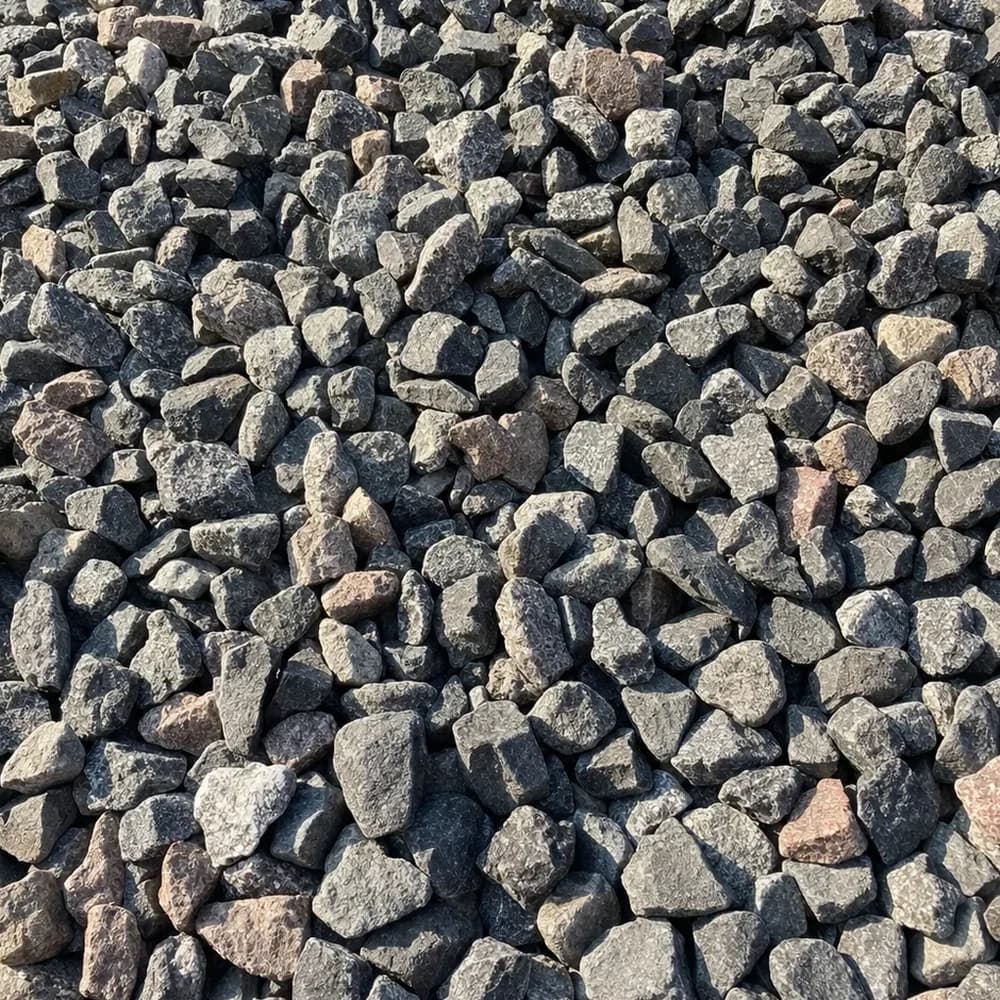
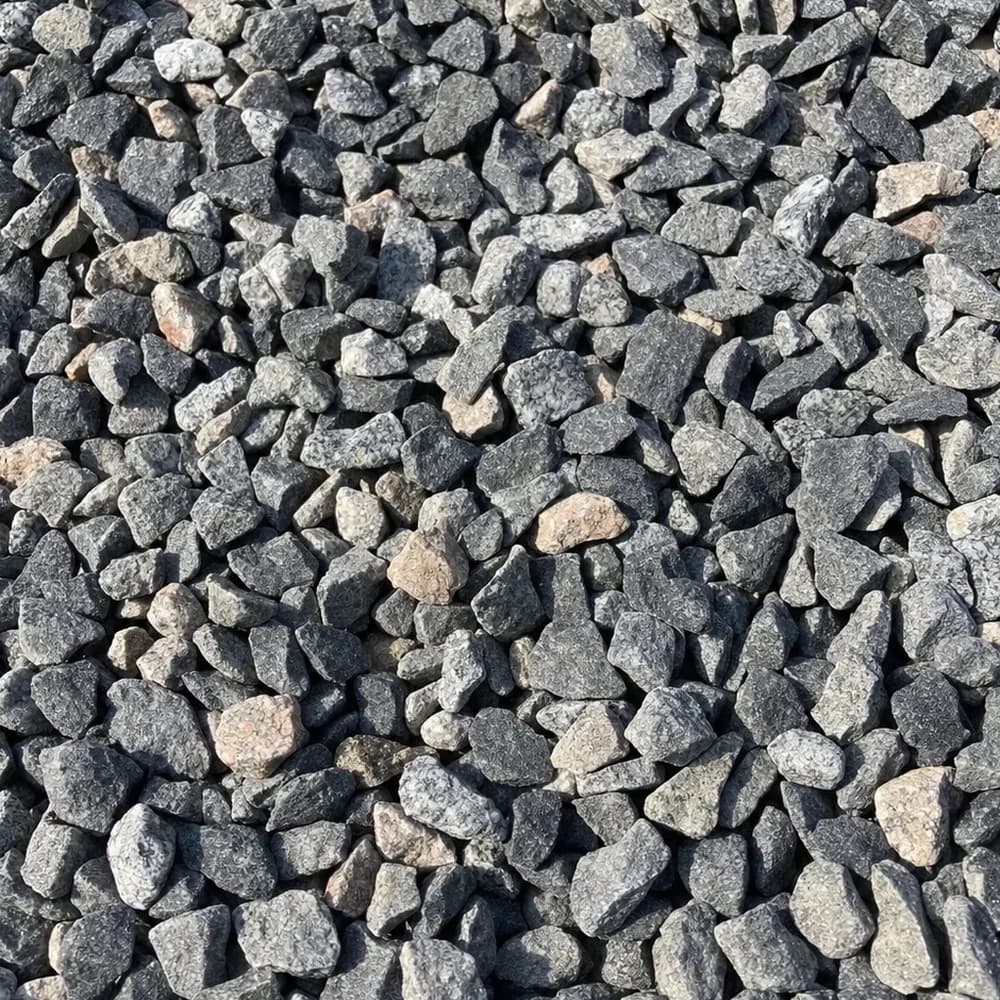
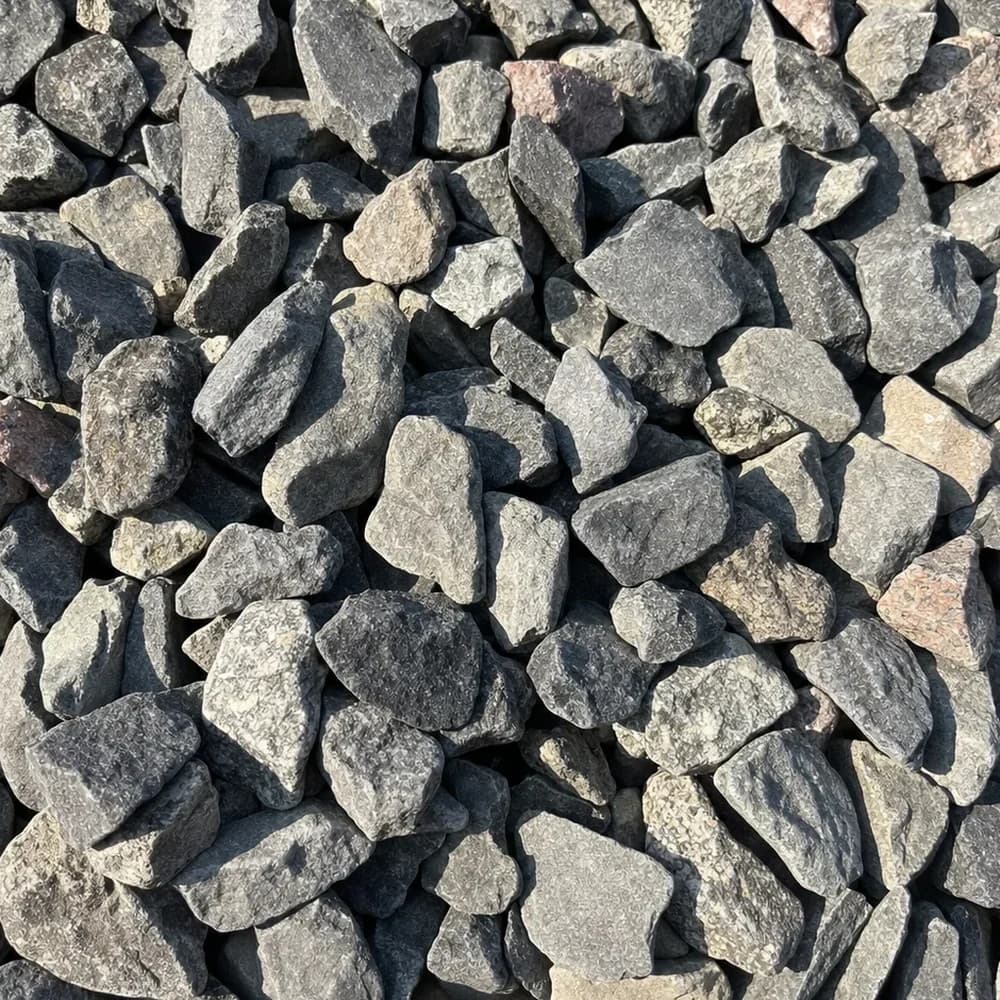
Also known as: 3/4 clean, 1 1/2 clean
For winter clay around Oregon homes, Drain Rock keeps the drainage zone clear behind a retaining wall or along a French drain.
- Size: 3/4 inch to 1-1/2 inch
- Grading: Washed to remove fines and dust
- Type: Rounded or angular varieties
From $381.00 for 1 ton, delivery included
Larger loads cost less per ton: 500 tons is $22,095.00 ($44.19 per ton). Pick any quantity below for a delivered price.
Free delivery included
Free delivery anywhere in Oregon
Pick a delivery date
Weekday delivery, earliest Sep 25
“Our low corner of the yard near Waldport used to hold water for days after coastal storms. Two tons of drain rock in a dry well fixed it completely. Water disappears within an hour now, even after a heavy downpour.”
Robin S. · Verified Buyer
Get a Free Quote
Fill out the form and our sales team will get back to you within the hour.
Everything You Need to Know About Drain Rock
Size and Grading
- Size
- 3/4 inch to 1-1/2 inch
- Grading
- Washed to remove fines and dust
- Type
- Rounded or angular varieties
A homeowner planning a French drain in the Willamette Valley can run into saturated clay that holds water near the excavation. Drain Rock supplies clean, washed aggregate without fine material or dust that can close its internal spaces. Those spaces let collected water travel through the drainage fill. It suits septic fields and retaining-wall backfill, while also providing a clear section within a French drain.
For retaining work near the Cascades or along the coast, select the angular form when backfill will rest against the drainage section. Its angular pieces maintain separated gaps when covered by surrounding material. Rounded Drain Rock is the option for a visible drainage detail that calls for a natural stone appearance. Keep the drainage aggregate separate from winter clay so soil does not enter the open spaces.
Quickly Calculate How Much You Need
Material: Drain Rock
How to Measure
Measure the length and width of your project area in feet
Decide on depth in inches (2" for landscaping, 4" for driveways)
Enter the values above and we'll calculate the tonnage you need
Need help figuring out the right amount? We can help!
Call or text us at our contact form and we'll help you calculate the right quantity for your project.
Not sure how much you need? The River Rock Calculator has depth guides, coverage charts and worked examples for this material.
Common Uses
French Drain Systems
Use drain rock as the open aggregate layer in a French drain. Water moves through its clear voids and away from footings, basements, and low ground. This is useful for French drains through winter clay in the Willamette Valley.
Septic System Drainage
For septic wastewater infiltration, drain rock is used as the drainage layer in leach fields and drain fields. The clean, evenly sized material meets health department specifications for these systems.
Retaining Wall Drainage
Backfill behind a retaining wall must let water escape instead of allowing hydrostatic pressure to build and lead to failure. Drain rock keeps water moving through the backfill to protect the wall structure.
Foundation Drainage
Place drain rock along foundations to carry groundwater away from footings and basement walls. Perimeter drainage limits moisture entry and water pressure that can result in cracks and structural damage.
Why Choose Drain Rock
Open Water Flow
Drain rock is rinsed to remove dust and fines, leaving voids where water can move freely. These open spaces allow the drainage system to carry water from the start.
Long-Term Performance
Crushed, angular drain rock holds its open spaces under load better than rounded aggregate that can settle and compact. That helps preserve drainage flow over decades.
Washed and Graded
This drain rock is washed and sorted to engineering specifications for drainage use. It is compatible with filter cloth, perforated piping, and related drainage components.
Structural Protection
Moving water away from buildings, foundations, and retaining walls helps limit moisture damage and pressure-related repairs.
Frequently Asked Questions About Drain Rock
Customer Reviews
Dry well saved our parking lot
Run a small auto shop near North Bend on the coast, and the low end of our lot used to pool up so badly after a storm that customers couldn't park there for days. Last winter we put in a dry well and French drain using six tons of drain rock, tying into a pipe that runs toward the ditch along the road. Oregon Rock Supply's driver squeezed the tandem into a lot most trucks would have skipped and dumped it right where our excavator guy wanted it. Through the wettest stretch of winter the lot drained within an hour, and we haven't lost a spot since.
Natalie B. · North Bend, OR · Verified Buyer
Volunteers Finished The Drain By Headlamp
Our church needed a French drain fixed before the rains came back, so a crew of volunteers turned out on a Saturday to dig the trench and set the pipe. Three tons of drain rock from Oregon Rock Supply filled it in around the pipe nice and clean. Delivery landed near the tail end of the window, so the last couple of volunteers ended up shoveling by headlamp to finish before dark.
Ray O. · Sandy, OR · Verified Buyer
Reliable behind our retaining wall builds
We build a fair number of retaining walls around Monmouth and drain rock behind the wall face is non negotiable if you don't want it bowing out after the first wet winter. Used five tons on a recent job, wrapped in fabric behind the blocks with a perforated pipe at the base. Oregon Rock Supply got the load out same week, which kept our schedule tight. Wall's been through one rainy season with zero movement.
Felix N. · Monmouth, OR · Verified Buyer
Dry well finally works as intended
Our low corner of the yard near Waldport used to hold water for days after coastal storms. Two tons of drain rock in a dry well fixed it completely. Water disappears within an hour now, even after a heavy downpour.
Robin S. · Waldport, OR · Verified Buyer
Drain Rock has 4 verified customer reviews with an average rating of 4.8 out of 5.